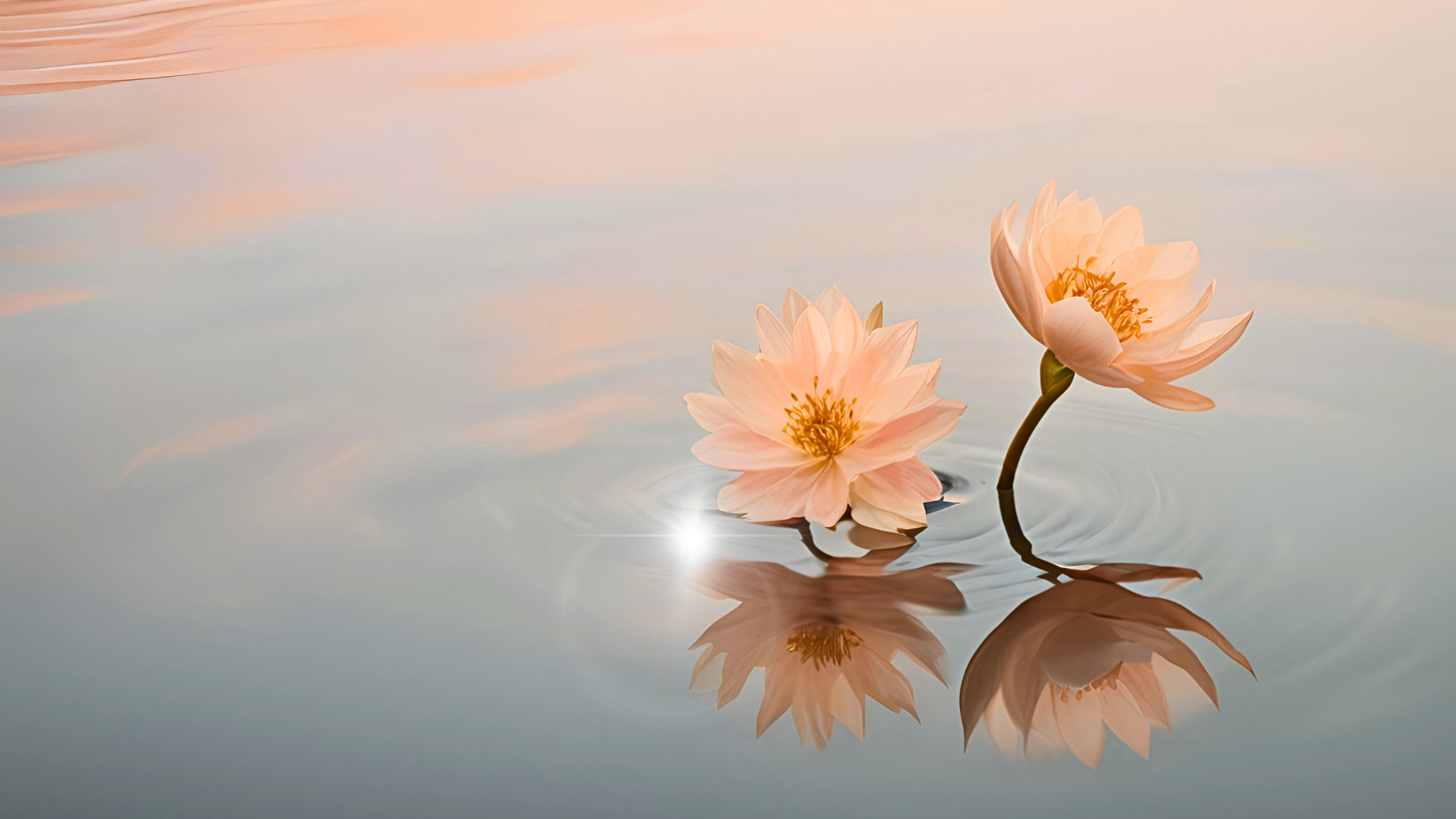
Most of us treat stillness as something we’ll allow ourselves once things have settled.
Once the inbox is clear, the urgent thing handled, the season less demanding. We place it at the end of a long list, and then wonder why we never seem to arrive there.
I used to think of stillness as a kind of indulgence. Something spiritual people did, or people with fewer responsibilities.
I was always moving, always producing, always finding the next thing that needed my attention. Pausing felt like a luxury I hadn’t yet earned.
What I came to understand, after years of living that way, is that the constant motion had become its own form of avoidance.
Staying busy enough meant never having to be fully present with what was actually happening inside me.
The productivity was real, but beneath it was a deeper reluctance to stop.
“Silence is the root of everything. If you spiral into its void, a hundred voices will thunder messages you long to hear.” — Rumi
We’ve learned to associate stillness with absence. With emptiness, with passivity, with doing nothing.
But the body doesn’t experience stillness that way. Neither does the nervous system, or the deeper intelligence that lives beneath our constant mental activity.
In stillness, all of these begin to reorganize.
Things settle that couldn’t settle while we kept moving. What had been too loud to hear becomes audible. What had been too tangled to see begins to clarify.
And it doesn’t require what most of us imagine it requires. Not a meditation retreat, not a perfect morning practice, not two uninterrupted hours.
Stillness is a quality of presence that can be accessed in five minutes.
In the car before walking into a difficult conversation. In a single conscious breath taken before responding to something that landed hard. In the pause between one task and reaching immediately for the next.
Here is what I’ve noticed, both in my own life and in the people I work with:
Most of what we call clarity doesn’t arrive through more thinking. It arrives when we finally stop.
The answer to the problem we’ve been turning over for days surfaces in the shower, on a walk, in the still space between waking and sleep.
We tend to credit the mind for these moments. But the mind had been working on the problem the whole time.
The mind didn’t “solve” anything in that quiet moment. It simply stopped competing with the answer that had been waiting.
Something deeper is also true. Inhabiting a new sense of self, processing difficult emotions, listening to the intelligence of the body — none of these happen in the middle of constant motion.
They require a willingness to stop long enough to be in genuine contact with your own experience, rather than perpetually moving through it.
Every insight, every genuine shift, every moment of clarity we’ve been exploring — all of it requires stillness as its foundation.
The invitation isn’t to overhaul your schedule or carve out hours you don’t have. Simply to return, in the small moments available to you, to a place inside yourself that is less crowded.
A breath. A pause. A moment of genuine presence before the next thing begins.
The shifts you’ve been working toward don’t arrive through more effort. They arrive when you create enough stillness to let them in.